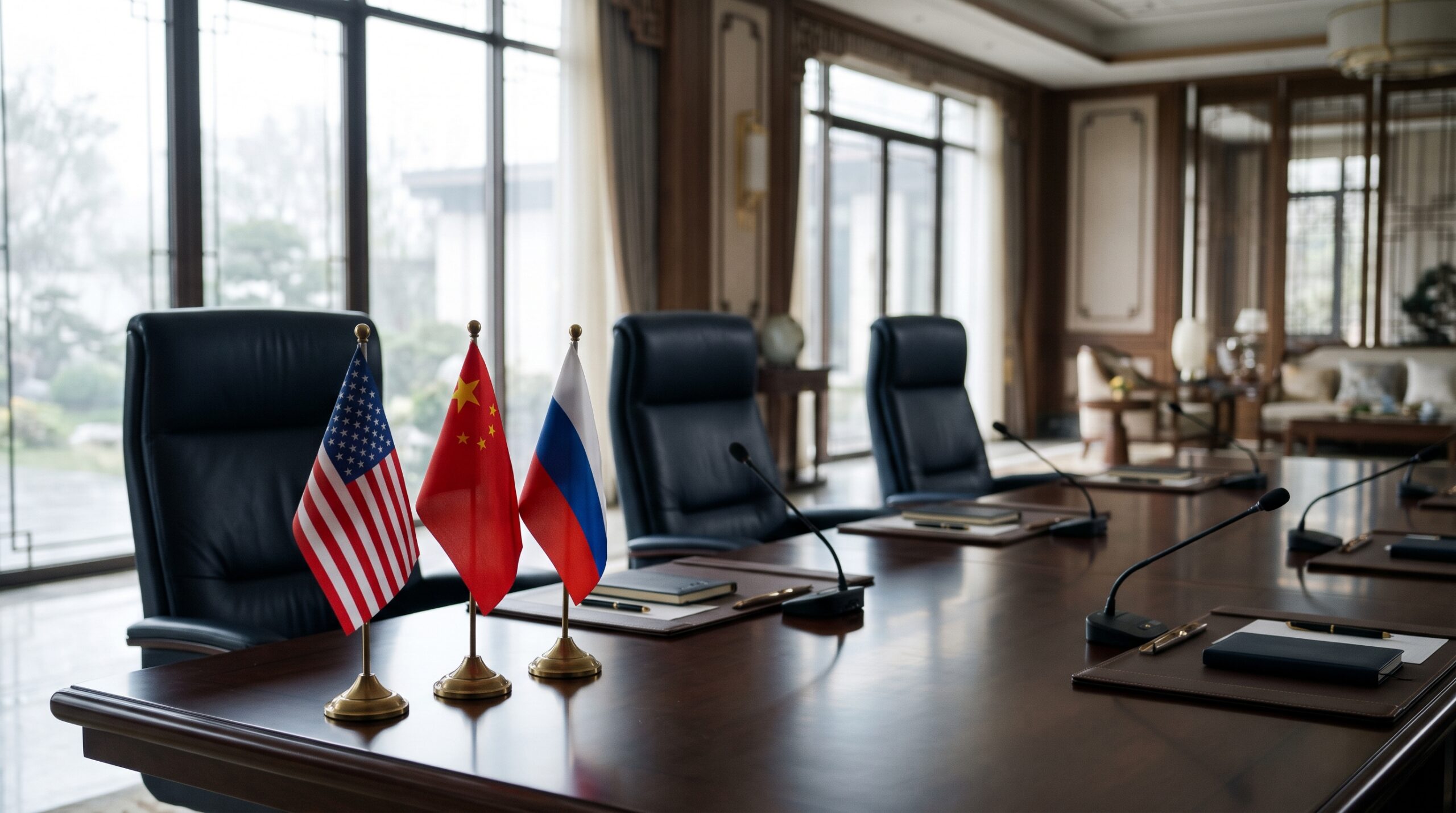
Trump, Putin and Xi sat down together in Shenzhen last week, and plenty of commentators rushed to call it a new Yalta. Russian opposition economist Vladimir Milov isn’t buying it. He says the meeting was mostly about the photos, and that the real story is how badly things are going between Moscow and Beijing on the economic side.
The short version
- Milov calls the summit a photo op. He doesn’t see any real basis for a deal, including on nuclear weapons.
- He says the better comparison is the 1884 Berlin Conference, when big powers split up Africa and the deal later fell apart.
- Behind the friendly handshakes, he sees Russia and China clashing over gas prices, coal tariffs, steel, wheat, chicken and fish.
- For investors, the bigger themes are gas pricing, cheap Chinese steel, US LNG sales to China and China’s fast shift to electric cars.
What actually happened
Trump met Xi and Putin one on one, then all three held a joint session at Kylin Villa in Shenzhen on 19 November, on the sidelines of the APEC summit. Nuclear arms control and the wars in Ukraine and Iran were on the table. Most experts expected little, and no deal to cut nuclear arsenals was announced.
Why Milov says it’s not Yalta
Milov agrees that any serious talk on nuclear arms now needs China in the room. Beijing has around 600 warheads by his count, compared with several thousand each for the US and Russia. But that gap is exactly the problem. China wants the other two to cut down closer to its level, and neither Washington nor Moscow is going to do that.
He sees the meeting as a show for the cameras. As an example, he points to a much hyped plan for Russian diesel to flow to the US, which he says never delivered a single shipment. Yalta was a meeting of the countries that won World War II. These three leaders, he argues, haven’t won anything, and deals between rival powers carving up the world rarely last. That’s why he reaches for Berlin in 1884 instead.
Russia and China: less friendly than it looks
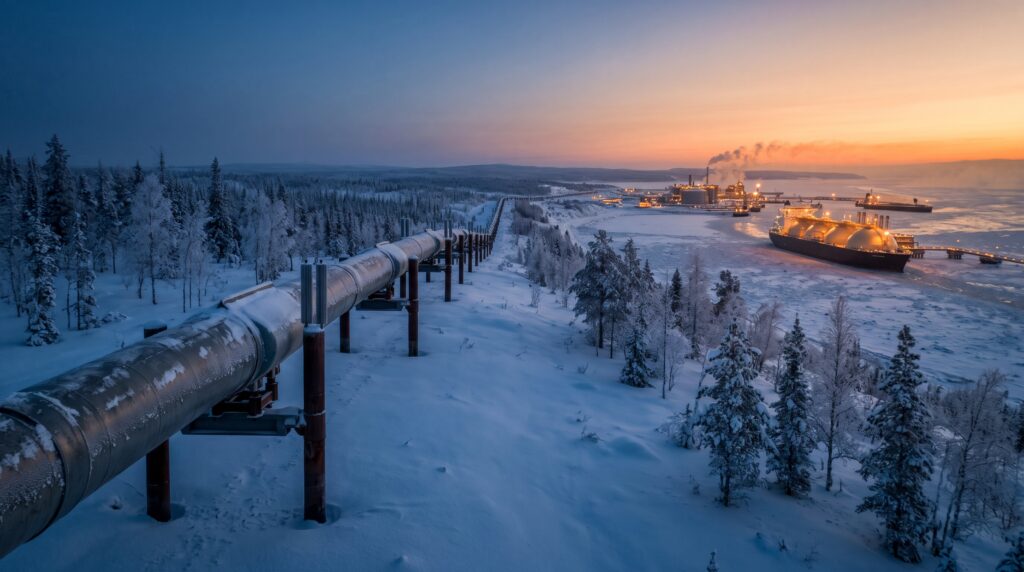
Most of Milov’s commentary is about money. Here’s what he highlights:
- Gas: Russian budget papers point to an average price for gas sold to China of about $250 per 1,000 cubic meters. European buyers, he notes, have paid around $600 on average this year at the TTF hub.
- LNG: China has gone back to buying US liquefied gas and signed bigger contracts, while making no new gas deals with Russia. It is also pumping more gas at home.
- Electric cars: he says cars without a regular engine made up about 61% of new car sales in China in October. Over time that means less need for imported oil.
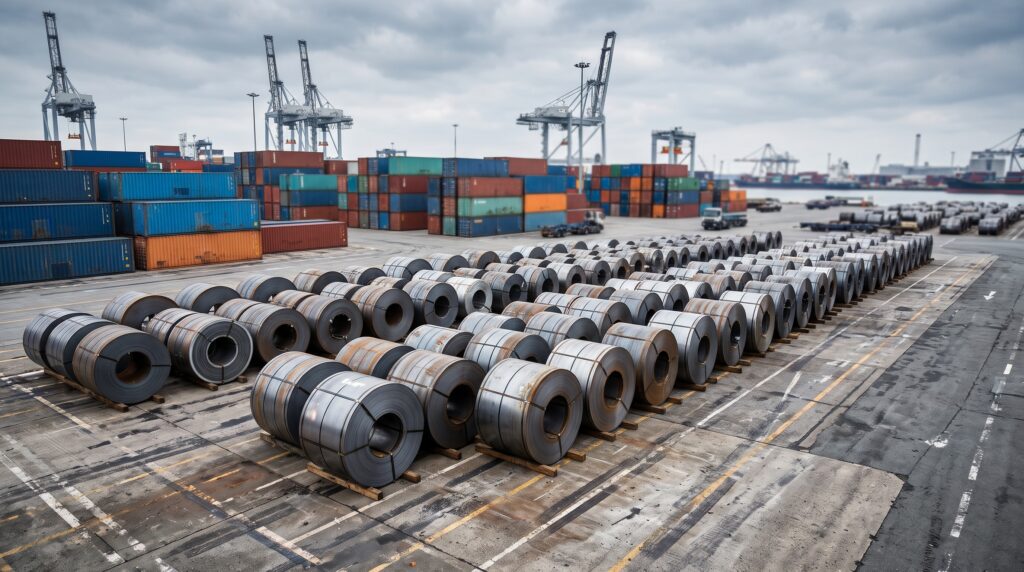
- Coal and steel: he blames Chinese import duties for heavy losses in Russian coal. Weak building activity in China, with investment down more than 8% in October in his figures, is pushing cheap Chinese steel onto world markets and hurting Russian steelmakers.
- Food: China still keeps most Russian winter wheat out. Russia now buys more chicken from China than it sells there. And heavy fish exports to China are driving up fish prices inside Russia.
What this could mean for markets
If Milov is right, the summit itself won’t move energy or commodity prices much. The trends worth watching are longer term: China buying more US LNG and producing more of its own gas, electric cars eating into oil demand, and surplus Chinese steel keeping global prices under pressure. Any real follow up on arms control or Ukraine would be a sign the meeting achieved more than good pictures.
What to watch next
- Any official follow up on nuclear arms talks after Shenzhen.
- China’s monthly investment and steel export numbers.
- New US and China LNG deals, plus European gas prices at the TTF hub.
- Monthly electric and hybrid car sales in China.
Sources
- Vladimir Milov on the Trump, Putin and Xi summit (YouTube, in Russian)
- Al Jazeera: Trump meets Putin and Xi for three way talks at APEC
- IBTimes: Trump, Xi and Putin hold their first joint summit
This piece sums up the views of an independent commentator and doesn’t necessarily reflect the views of BullpenXP. Figures quoted from him haven’t been independently checked. Prepared with AI assistance and reviewed by our editors.